




What Is A Ground Compactor?
A compactor is a machine, or tool, that is used to compress different ground materials. These can include soil, gravel, and even asphalt. Generally, the process condenses the materials down, removing as many air gaps in the materials as possible, increasing the density. This helps to create a stable and solid surface for construction projects.
Alternatively, it acts as a finishing touch to create smooth surfaces that are ideal for walking and driving. Compactors come in many different shapes and sizes, with each of them serving an individual purpose for a variety of tasks.
They work by applying forces to the target surfaces to flatten them. This is achieved through a variety of different forces, whether it’s vibration, pure impact, kneading, or even just static pressure. However, the type of force the compactor uses depends on the model. With excess air removed from the ground, it becomes a lot more stable, enhancing the overall load-bearing capacity.
Types of Compactors
In general, there are three main types of compactors, which are:
Rammer Compactors
Rammer compactors, sometimes known as tampers, are small, hand-operated compactors. Rather than relying on vibrations to flatten surfaces, they use high-impact force. Their small size makes them ideal for work in confined areas, like trenches and ditches. The main drawback of this type of compactor is that they have a limited output. They aren’t the best for large areas, given their small size. Rammers work best for trench work, pipe laying, and areas requiring deep compaction.
Plate Compactors
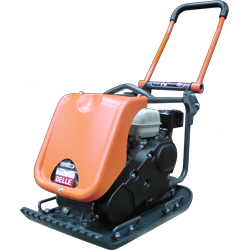
This type of compactor is still relatively small, used best on small-scale projects or areas that require compacting. Unlike the rammer compactors, plate compactors are flat machines that use vibration to compact the ground, instead of force. They generally tend to have the best effects on granular soils, making them a popular choice of tool for landscaping projects. This type of compactor works best on sand, gravel and mixed soils.
Roller Compactors
A roller compactor is a much larger machine compared to the other two types of compactors. They will often have one or more heavy drums that can be used to roll over surfaces such as soil and asphalt. They tend to be the prime choice for larger construction projects and road construction. Rollers have a much higher compaction ability compared to the other two, due to their size and weight. Rollers are best put to compacting subgrade, foundation layers, and asphalt.
What Is A Compactor Used For?
There are many different kinds of compactors, and each of them have a different role that they play best. Here are some of the uses for the different kinds of compactors we have covered:
Foundation Preparation
Solid foundations are arguably the most crucial step for any project, as it supports the structure above it. Without properly compacting the ground below, the soil can settle poorly and unevenly, leading to structural issues and a risk of instability. This results in potential failure.
By running over the ground with a ground compactor, air pockets are eliminated, and the surface is packed tightly together. This ensures a stable and sturdy foundation to build on. Overall, this results in solid intregrity for projects and structures.
Road Construction
When it comes to the construction of roads, compactors are vital. They create smooth and stable surfaces that can withstand heavy use and harsh weather conditions. Proper compaction ensures longevity in a road and avoids unstable infrastructure that might result in quick wear and tear.
Generally, roads consist of three layers, and a compactor is used in all of them. The process begins with a soil compactor, compressing the subgrade for a base to build on. Next, crushed stone or gravel is laid down, which compactors will then run over to ensure the layer is dense and well-bonded. Finally, a surface layer is applied, which is the asphalt. A roller compactor will run over this to create a smooth and durable finish.
Landscaping
A soil compactor may commonly be used in landscaping to prepare the ground for a variety of different purposes. These may include paving, or making way for new structures. By properly compacting soil, the structure becomes easier and safer to work with, letting it support any structures built on it.
As an added benefit, it creates a good base layer to build walkways, pathways, patios and other landscaping elements for gardens and other similar areas.

Best Practices For Using A Ground Compactor
There are a number of practices you can follow to ensure you get the best results from your compactor.
Select the Right Compactor for the Job:
Picking the right compactor for the job can be integral to achieving the best results. Consider things like the type of soil you’ll be working with, the scale of the project, and the specific requirements you’ll need.
Operator Training and General Health and Safety:
Proper training helps to make sure that operators use compactors effectively and safely. There should always be safety protocols in place to prevent accidents and injuries, or to follow in case an accident does happen.
Regular Maintenance:
Routine maintenance is crucial for keeping compactors in prime condition. Check them over every once in a while for any wear and tear, and perform any servicing that might be needed to ensure efficiency and longevity. If it’s hired, in most cases you can call the company out to perform maintenance, as it will often be covered by the contract.
Optimal Compacting Conditions:
There are ideal weather conditions that will provide the most effective results when compacting surfaces. Avoid doing any compaction jobs whilst it is excessively wet and rainy, or overly dry. This can end with poor results, otherwise.
It is important to consider what your job requirements are when renting out a compactor. Consider:
- How long do you need to rent for?
- What kind of surface will you be working on?
- Is the hire rate hourly or otherwise?
- What size compactor do you need?
- Do you need someone to operate it for you?
- Are there any additional delivery costs?
If you are interested in learning more about the cost of renting a ground compactor, or you need assistance in getting the right machine for your job, contact our team today! Our team of friendly experts at Vertikal are always happy to help.