
What Is A Mini Excavator?
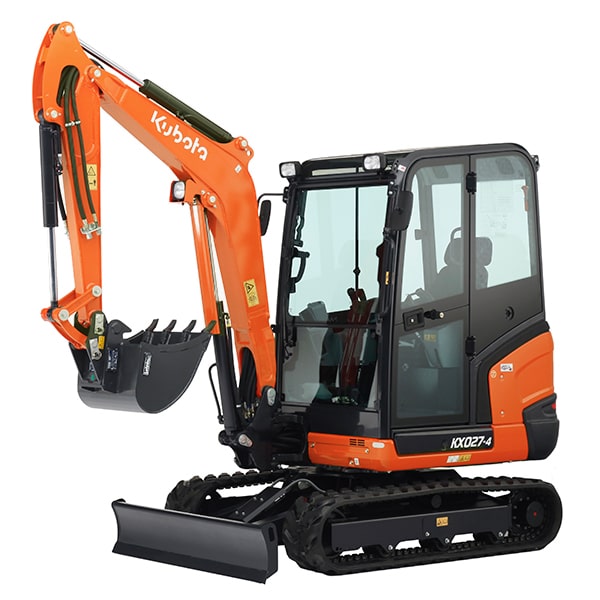
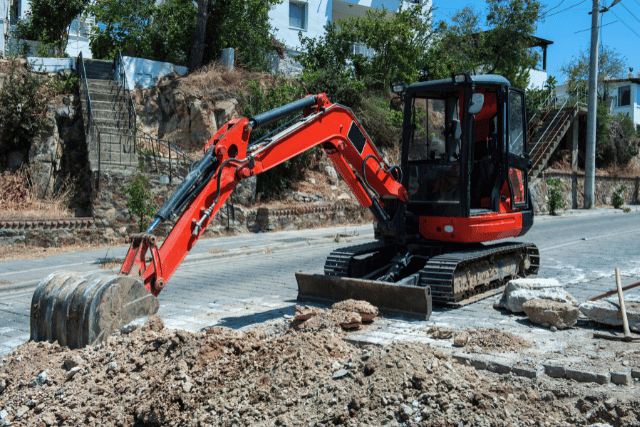
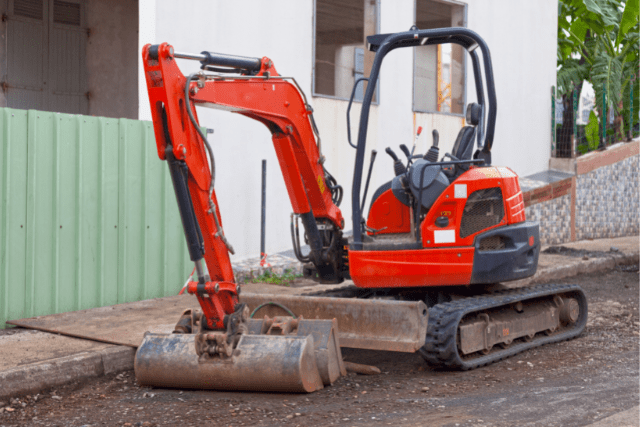
A mini excavator, sometimes known as a compact excavator or mini digger, is a vehicle that can be used for construction and landscaping projects. Though it is frequently used for much more. It is a highly manoeuvrable and versatile piece of equipment, with many functionalities.
Mini excavators tend to weigh between 0.7 and 8.6 tonnes, which makes them considerably smaller and lighter than full-sized excavators. However, even with their smaller size, they still pack a powerful punch, and can be put to use for a diverse range of tasks, which we will go into later.
In addition to their improved manoeuvrability, mini diggers can also be fitted with a range of different attachments. This is what allows them to adapt to a range of different tasks with just a single machine. Some attachments include:
- Hammers
- Augers
- Hydraulic thumbs
- Buckets
- Grapples
- Rippers
- Rakes
- Mulchers
- Trenchers
How Deep Can A Mini Excavator Dig?
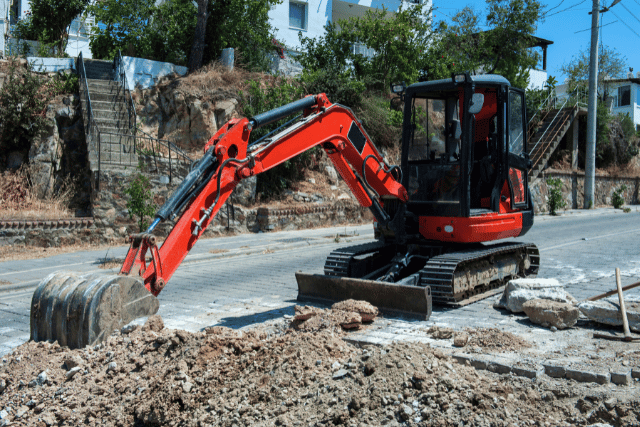
On average, mini excavators tend to be able to dig up to depths of 5-10. There are numerous factors which can affect the digging capabilities of a mini excavator, such as the size of it, the type of soil it is digging, and the attachment being used for the job.
When compared to larger excavators, the limitations of its smaller counterparts begin to make themselves apparent. Large diggers can usually dig up to depths of around 17 feet, making quite the difference. However, digging this deep isn’t often necessary for many projects, which is why a mini excavator is often chosen instead.
How Much Does A Mini Excavator Weigh?
In most cases, mini excavators will weight around 1 and 8 tonnes, though really small models may weigh less than this. Overall, the weight is dependent on the size and model of the machine, as well as any attachments that have been put on.
Standard excavators will weigh anywhere between 19-24 tonnes. However, larger ones can even reach weights of up to 45 tonnes. As impressive as their weight is, it’s unlikely that they’ll be needed for every single job. Mini excavators have the advantage of more accessible sizes, and wider flexibility when it comes to different projects – specifically construction.
How Much Can A Mini Excavator Lift?
Mini digger capacity tends to cap out at roughly 3-5 tonnes, with some larger models having the ability to lift up to 8 instead.
Much like when it comes to its ability to dig, the weight capacity varies on the size and model of the machine you have chosen for the job.

How Much Does It Cost To Hire A Mini Excavator?
On average, the cost to hire a mini excavator is between £150 and £400 per day. So, when hiring one for the week, this means prices can ramp up to anywhere between £600 and £1600. That’s why, when you are looking into hiring a mini excavator for your needs, you should first consider:
- How long you will need the machinery for
- If you need someone to operate it for you
- If you are hiring by an hourly or otherwise rate
- The type of mini excavator and attachments you will need
- The delivery cost of the equipment to your site
Typically, it is cheaper to hire this sort of equipment than it is to buy it outright, so it’s important to ensure that you are making the right decision for yourself.
If you’d like to learn more about the cost of hiring a mini excavator or need assistance finding the right machine for your job, contact our team of friendly professionals here at Vertikal! Alternatively, if you’d like to learn more about how much it costs to hire a mini digger, read our article!
How Much Does It Cost To Buy A Mini Excavator?
In general, a brand-new mini excavator can range in price from £15,000 to £80,000, and even beyond this. Cost most often varies based on the size, model and functionality of the machine.
However, there are always cheaper alternatives, such as purchasing second-hand excavators instead of buying them brand new. Buying them used lowers the price brackets considerably, instead now costing between £7,500 and £30,000. Of course, there are still exceptions to this, with some second-hand mini excavators reaching upwards of £40,000.
As you can see, it tends to be far more cost-effective to use plant hire options. By hiring, not only are you saving money on the initial purchase of the machinery, but also on storage costs and any vehicle maintenance, too.
At Vertikal, we regularly inspect our mini excavators to ensure that they are in the best possible condition for our clients. If you are curious to learn more about plant hire, take a look at our article which covers everything you need to know about it!
What Is The Difference Between A Mini Excavator And An Excavator?
Structurally, mini excavators are similar to their larger counterparts. What differentiates them other than their size, is that some mini diggers will have rubber tracks, instead of steel tracks.
Additionally, the cab of the mini excavator can usually rotate 360 degrees without needing to adjust the positioning of any attachments. It is also worth noting that the rear end of mini excavators does not swing out as far as a normal-sized digger whilst the front end moves in the opposite direction.
What Are The Advantages Of A Mini Excavator?
There are numerous benefits of using a mini excavator over a full-sized one, most of which boils down to the difference in size. Examples include:
Easier To Transport
Given the size difference between mini diggers and normal-sized excavators, they are much easier to transport. Overall, this helps to reduce the transportation costs you would otherwise need to pay if you were choosing a larger model.
Better At Working In Tighter Spaces
Due to their smaller sizes, they can fit into much tighter areas, and have an easier time performing jobs that require a lot more precision. Their advantages really shine when it comes to renovation jobs or working in confined construction spaces.
Far Less Noisy
Some sites may have noise regulations, so it might not always be possible to use a larger excavator. However, because compact excavators are much smaller in size, they make considerably less noise. This means they may sometimes be the better, or only option.
Less Destructive
Not only are compact excavators smaller, but they’re also much lighter than normal excavators. This means that there’s less chance of them bumping into something, and allows for much more deliberate movements.
Due to the way it works, they mini excavators excel at:
- Digging trenches
- Breaking up concrete
- Grading
- Excavating holes
- Loading trucks
- Demolition works
- General earthwork
Is It Difficult To Operate A Mini Excavator?
Whilst, like with everything, it can take practice to get used to using a mini excavator, they are generally easy to use. The controls are relatively simple, and they are easy to manoeuvre. Some of their more notable features at the ergonomic joystick control and a full digital display that provides all the important information.
However, it is good practice to handle them with care. Be aware of slopes, or steep terrain to avoid the vehicle toppling. Take extra caution in areas with pipes or cables, as they don’t offer much resistance against a digger. Operate slowly to avoid causing additional damage to surroundings. In addition to all of this caution, we recommend that you have proper training before operating these vehicles.
how To Start A Kubota Mini Excavator?
Fortunately, it is quite a straightforward process to start a Kubota mini excavator – though keep in mind that it’s important to follow the right procedures to ensure safe operation. To start, just follow these steps:
- Turn on the key switch: This engages the machine’s electrical system, which allows the operator to give all the gauges a check and ensure they’re working properly.
- Check the fuel levels: Make sure the vehicle has enough fuel in the tank to start. If it doesn’t, top it up.
- Check the oil levels: Check the oil levels for the engine and transmission. Much like with the fuel, if there’s not enough, top it up.
- Inspect the air filter: Ensure the air filter is clean and in good condition.
- Check the coolant levels: Take a look at the coolant levels in the radiator. Is there enough? If not, add more.
- Start the engine: Push and hold the starter button to crank the engine. Once the engine starts, let go of the button.
- Check for leaks: Before you begin operating the machine, give it a once over for any possible leaks or other issues.
- Start the machine: Once you’ve done all the necessary checks and made sure the machine is in neutral, you can start operating by pressing on the accelerator pedal.
Please note that these steps might not apply to every model of Kubota excavator. It is always good practice to take a look at the operator’s manual for specific starting guides and safety guidelines.